Preparing Commercial Flat Roofs for Freezing Temperatures
For property managers and building owners, the shift from intense summer heat to freezing winter weather brings a unique set of facility challenges. Here in Kennewick, the seasonal extremes can take a significant toll on building exteriors, especially the roof. While residential pitched roofs naturally shed snow and ice, commercial flat roofs require a more proactive approach to survive the cold months without developing costly leaks.
Failing to prepare your building for winter can lead to structural damage, compromised insulation, and unexpected operational disruptions. By understanding the specific vulnerabilities of flat roofing systems and taking preventative action, you can protect your investment and maintain a safe, dry environment for your tenants and employees.
The Threat of the Freeze-Thaw Cycle
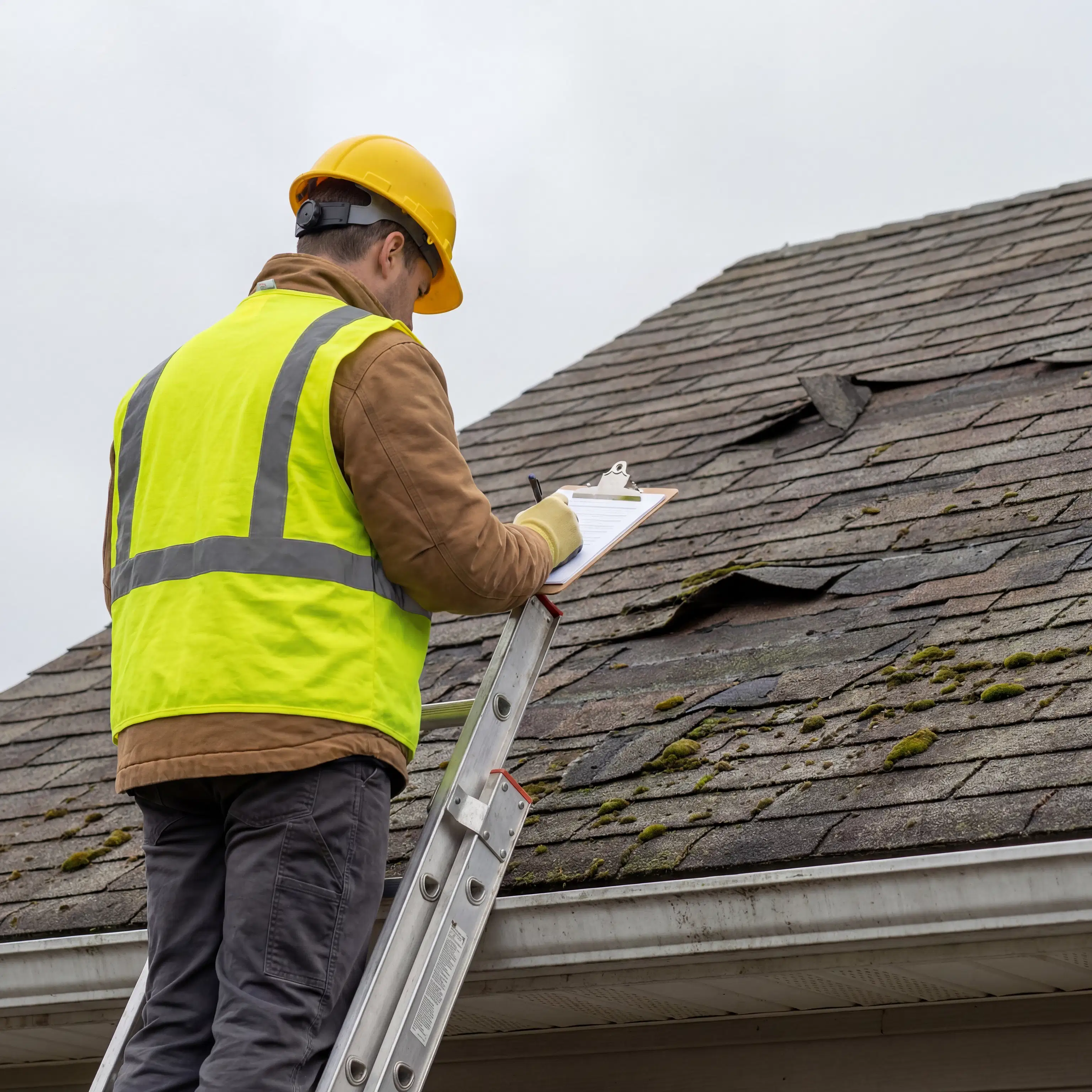
One of the most destructive forces for any commercial flat roof is the freeze-thaw cycle. During the day, sunlight can melt lingering snow or frost, turning it into water that seeps into microscopic cracks or weakened seams in the roofing membrane. When temperatures drop below freezing at night, that trapped water turns to ice. Because water expands as it freezes, it acts like a wedge, tearing apart seams and expanding small cracks into major vulnerabilities.
To prevent freeze thaw cycle damage commercial roofing systems need flawless drainage. A flat roof is never truly flat; it has a slight pitch to direct water toward drains and scuppers. However, the frequent dust storms we experience in the Columbia Basin can deposit significant amounts of dirt and debris onto the roof. Over time, this debris washes into drains, leading to ponding water. Standing water is a primary cause of membrane deterioration and ice buildup. Ensuring your commercial gutters and internal drainage systems are completely clear of debris before the first hard freeze is absolutely essential.
Implementing a Commercial Roof Winter Maintenance Checklist
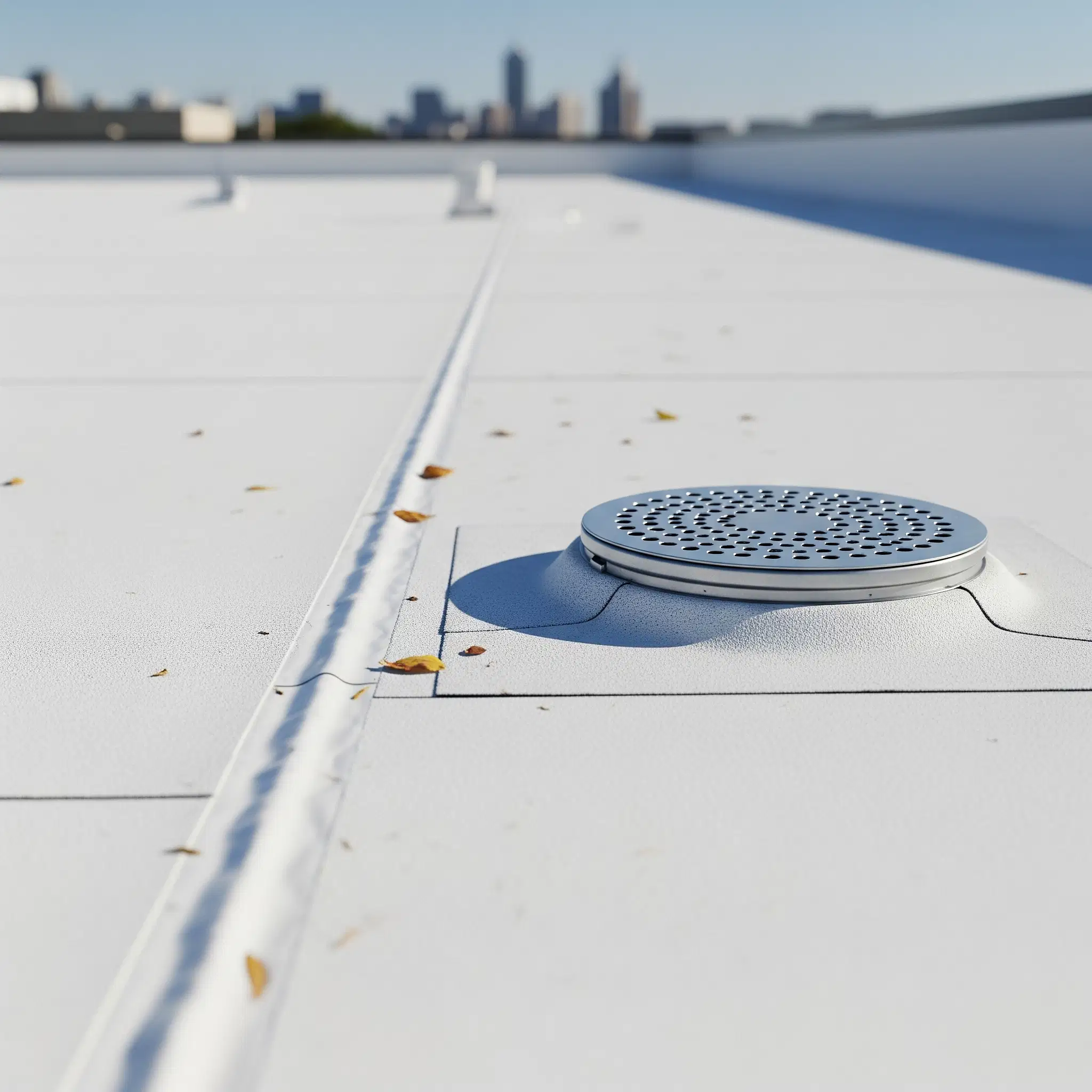
Property managers are highly focused on ROI and minimizing unexpected expenses. The most effective way to control costs is by implementing a thorough commercial roof winter maintenance checklist. However, it is crucial to remember that the Washington State Department of Labor & Industries (L&I) enforces strict fall protection and safety regulations. Sending untrained maintenance staff onto an icy or compromised roof is a significant liability.
Partnering with a licensed professional for regular roof maintenance ensures the job is done safely and correctly. A comprehensive pre-winter inspection should evaluate the integrity of TPO commercial roofing seams, check the condition of flashing around HVAC units and vents, and identify any blistering or cracking in the membrane. Addressing these minor issues in the fall is significantly more cost-effective than paying for an emergency roof leak repair in the middle of January when a winter storm rolls in.
Protecting Your Commercial Investment
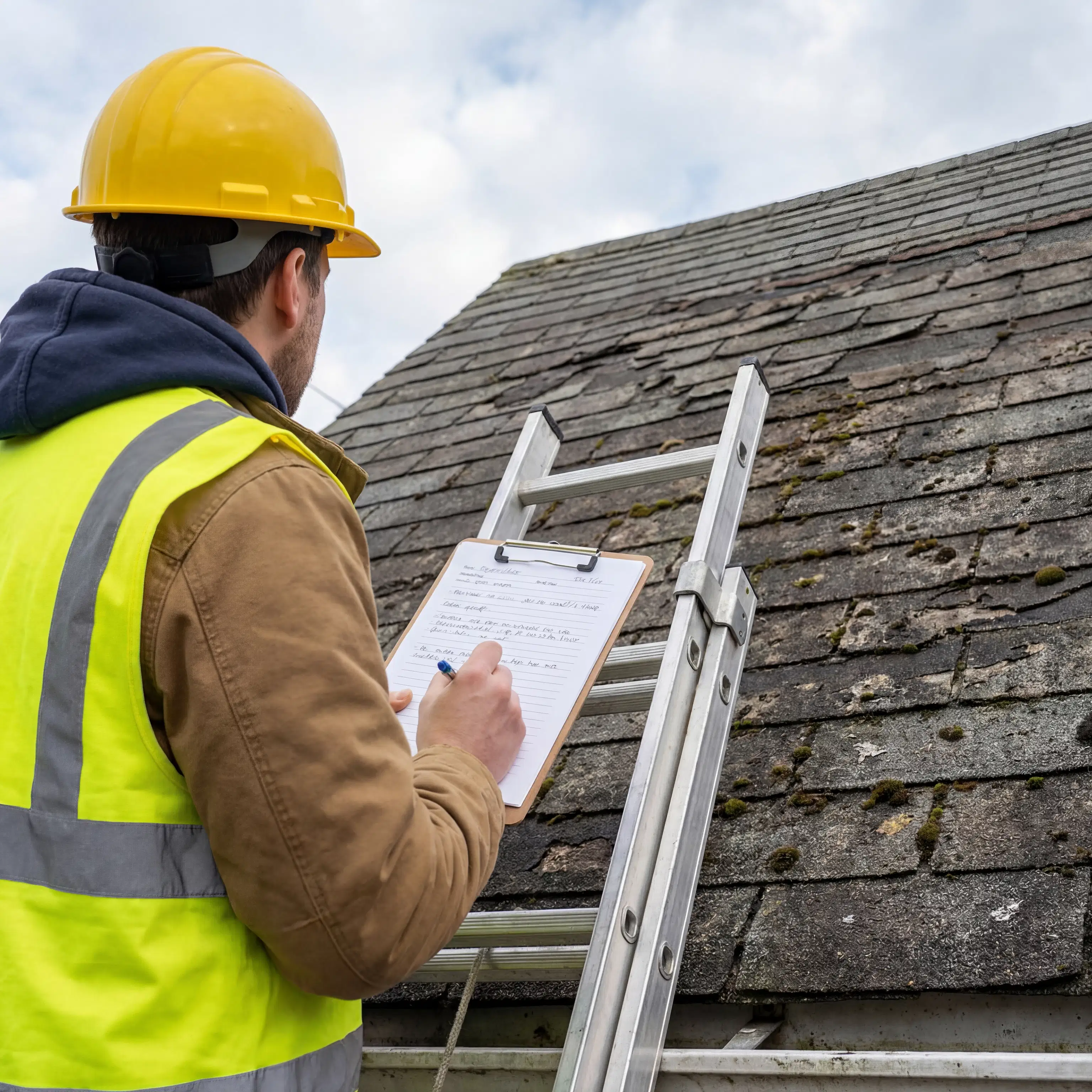
Your roof is one of the most critical assets of your commercial property. As we move closer to winter, the window for routine maintenance and preventative flat roof repair grows shorter. Addressing vulnerabilities now ensures that your building remains secure, energy-efficient, and fully compliant with local safety standards regardless of what the weather brings.
At Champion Roofing, we understand the specific environmental challenges businesses face in our region. Our dedicated commercial roofing teams are equipped to provide detailed inspections, clear maintenance plans, and reliable repairs to keep your property protected. If you manage a building in Kennewick or the surrounding communities, contact us today to schedule your pre-winter roof evaluation and secure your peace of mind before the freezing temperatures arrive.