Don't Get Blown Away: A Homeowner's Guide to Protecting Your Roof from Badger Mountain Winds
Living in Kennewick offers incredible perks, from sunny days to the beautiful views from places like Badger Mountain. But as any Tri-Cities resident knows, with those open spaces comes the wind. Those powerful gusts that sweep through our area aren't just a minor annoyance; they can pose a significant threat to the most important part of your home's defense system: your roof. Over time, constant wind pressure can weaken shingles, loosen flashing, and turn a small issue into a major, costly problem.
Understanding how to spot the early signs of wind damage and taking proactive steps to protect your roof is crucial for any homeowner. This guide will walk you through how to identify potential issues, what you can do to prevent damage, and the steps to take after a major wind event. At Champion Roofing, we believe an informed homeowner is a protected homeowner, and we're here to share our expertise to help you safeguard your investment.
The Telltale Signs of Wind Damage
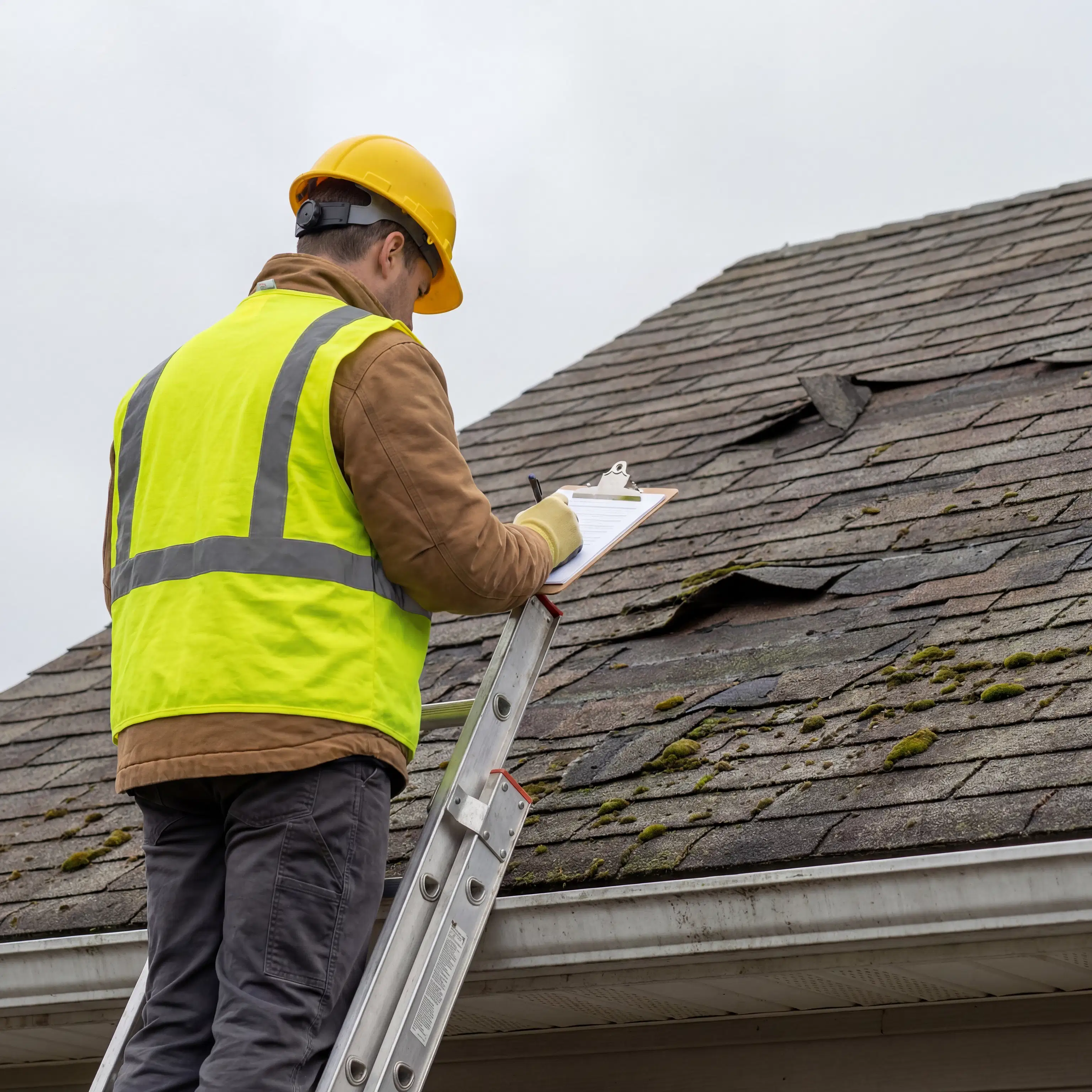
Wind damage isn't always as obvious as a tree branch crashing through your ceiling. Often, the signs are subtle and can go unnoticed until a leak appears. Knowing what to look for can help you catch problems early. After a significant windstorm, it's a good idea to do a quick visual inspection from the safety of the ground.
Here are a few key indicators of wind damage:
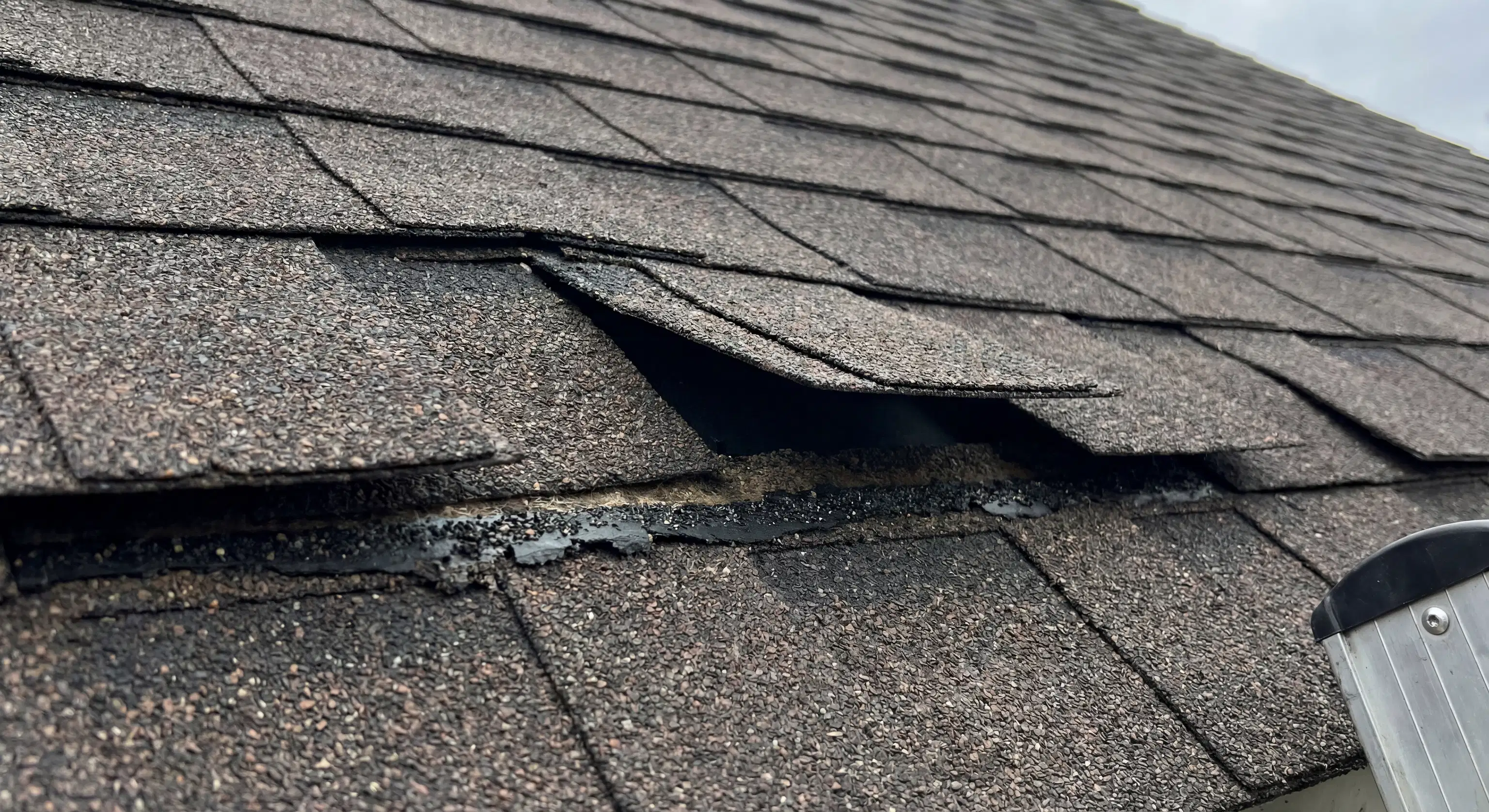
- Missing or Damaged Shingles: This is the most common sign. Look for shingles in your yard or on the ground around your house. You might also see shingles on the roof that are cracked, curled at the edges, or have torn tabs.
- Lifted Shingles: Wind doesn't just blow shingles off; it gets underneath them and creates an uplift effect. This can break the sealant that holds the shingle down, leaving it vulnerable to being torn off in the next storm. A lifted shingle often has a slight curl or appears raised.
- Granule Loss: Check your gutters and downspouts for an accumulation of asphalt granules. While some loss is normal over a roof's lifespan, a large amount after a storm can indicate that the wind has worn away the protective surface of your shingles, accelerating their aging process.
- Loose Flashing: Pay attention to the metal strips around your chimney, vents, and skylights. If the flashing is bent, loose, or missing, it creates a direct path for water to enter your home.
If you notice any of these issues, it's a strong signal that your roof needs a professional evaluation. Addressing them quickly can prevent more extensive and expensive problems down the road. Our team specializes in thorough residential roofing repair to address these exact kinds of problems.
Proactive Protection: Strengthening Your Roof Against the Wind
Prevention is always more effective and less costly than repair. While you can't stop the wind, you can take steps to ensure your roof is as resilient as possible. A well-maintained roof is your best defense against the harsh weather we experience in the Tri-Cities.
One of the most important things you can do is schedule regular professional inspections. An expert can spot vulnerabilities you might miss, such as failing sealant on shingles, early signs of sun/UV exposure weakening the materials, or improperly secured flashing. By identifying and addressing these weak points proactively, you can significantly reduce the risk of damage during a storm.
Regular roof maintenance is key. This includes ensuring all shingles are securely fastened, resealing flashing where needed, and addressing any minor repairs before they escalate. It's also important to consider your gutters. High winds can loosen gutters, and if they are clogged with debris, they can't effectively channel water away from your home, leading to potential water damage. Keeping your gutters clean and securely attached is an essential part of a complete roof protection plan.
What to Do After a Storm Hits
Even with the best preparation, severe wind events can sometimes cause unexpected damage. If you suspect your roof has been compromised after a storm, it's important to act quickly but safely.
First and foremost, stay off the roof. A damaged roof can be unstable, and walking on it is dangerous, especially in wet or windy conditions. Your safety is the top priority.
From the ground, document any visible damage you can see. Take photos of missing shingles, damaged gutters, or any other issues. This documentation can be extremely helpful if you need to file an insurance claim. Check inside your home, particularly in the attic, for any signs of water stains or leaks.
Your next step should be to call a licensed and insured roofing professional. At Champion Roofing, we can perform a safe and thorough inspection, sometimes using drone technology to get a detailed look without putting anyone at risk. We can assess the full extent of the damage, provide a clear report of our findings, and recommend the best course of action, whether it's a simple repair or a more comprehensive solution. We can also provide the necessary documentation to assist with your insurance claim process, making a stressful situation a little easier to manage.
Protect Your Home with Champion Roofing
The wind isn't going anywhere, but that doesn't mean your roof has to be at its mercy. By understanding the signs of damage, investing in proactive maintenance, and knowing who to call when you need help, you can ensure your home remains safe and secure.
Don't wait for a small problem to become a major headache. If you have concerns about your roof's ability to withstand the Kennewick winds or have noticed potential signs of damage, contact the experts at Champion Roofing today. We offer comprehensive inspections, expert residential roofing repair, and preventative roof maintenance plans to give you lasting peace of mind. Let us help you keep your home protected, no matter which way the wind blows.